

We provide commercial plastering for Sydney offices, shopfronts and other commercial premises. The work covers plasterboard partitions, ceilings and bulkheads. Commercial plastering is one of our plastering services.
Most commercial jobs kick off with a change inside the building. That could be a new fit-out, a refit, a refurb, or fixing up damaged walls or ceilings.
This page runs through what commercial plastering covers and how fire-rated systems work. It also covers picking the right level of finish, the approvals side of fit-outs, and what to have sorted before the tradies arrive.
Get in touch to talk through your project scope and specs.
Plasterboard Partitions, Ceilings and Bulkheads for Commercial Buildings
Commercial plastering is dry plastering. It uses plasterboard to line walls and ceilings, and it's a different trade from wet or solid plastering.
Commercial plastering includes:
- Plasterboard wall and ceiling lining in commercial buildings
- Steel-stud partitions lined with plasterboard
- Suspended ceilings and plasterboard ceilings
- Bulkheads and service enclosures
- Setting and finishing to a specified level
- Fire-rated systems, where specified
- Repairs and patching
This work typically comes up during fit-outs, refurbs and new commercial builds. You'll find it in offices, shopfronts, schools, hospitals and similar commercial buildings.
Some work falls outside commercial plastering. Asbestos removal, painting, electrical work and fire certification are separate trades or roles. Running the whole fit-out project is also separate from the plastering scope.
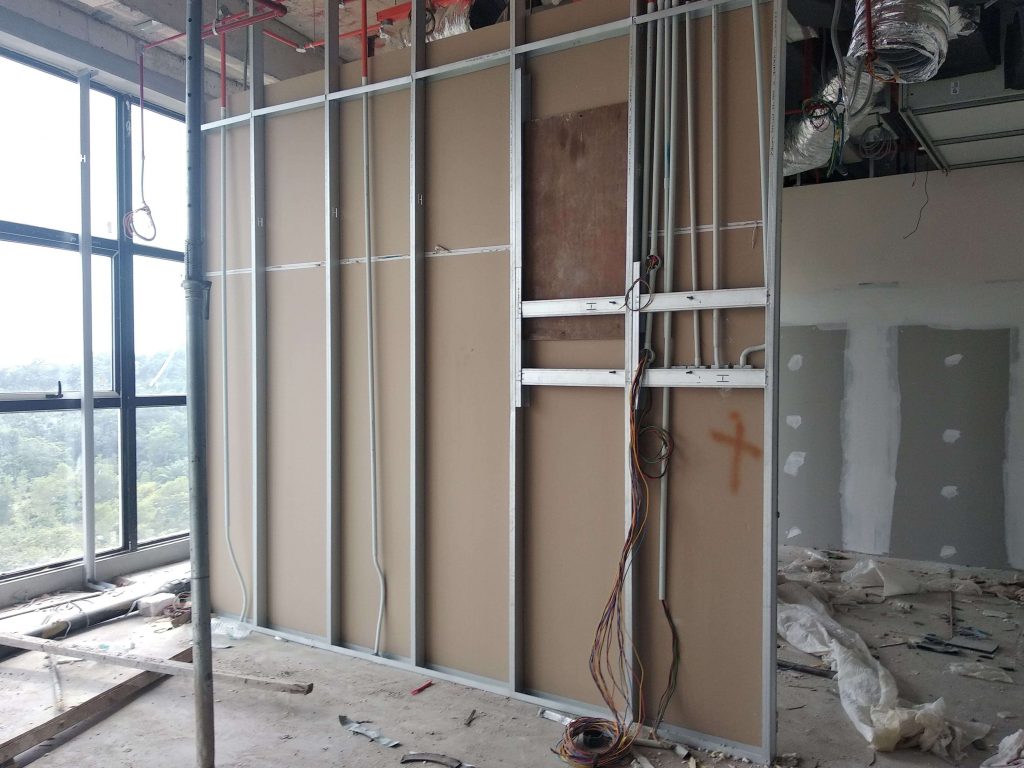
Fire-Rated Walls and Ceilings Depend on the Whole Tested System
A fire resistance level (FRL) describes how a whole wall or ceiling system performs in a fire. It's not a rating for a single sheet of plasterboard. The studs, board layers, fixings, joints and sealing all form part of that system.
Under the National Construction Code (NCC), an FRL can be established where the built element is identical to a prototype tested to AS 1530.4. That's why the details on site matter. Swap out a part or skip a step, and the wall or ceiling may no longer match what was tested.
This work counts long after the tradies have packed up. In Sydney, owners of Class 2–9 buildings provide an annual fire safety statement. Councils such as Hornsby and Ku-ring-gai list lightweight fire-resistant construction among the essential fire safety measures covered by these statements.
Fire-rated plastering follows the tested system set out in the specs. Certifying that work is a separate role, carried out by others.
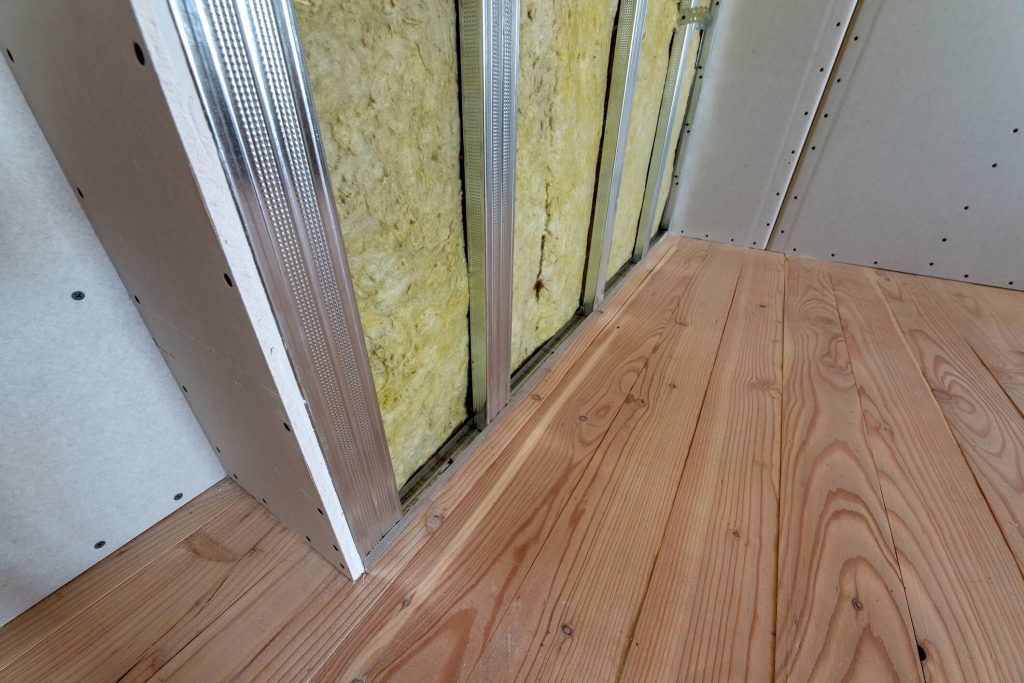
Choosing the Right Level of Finish for a Commercial Interior
Feature walls, downlights and big windows can show up joints and small marks once the paint goes on. The level of finish decides how smooth the plasterboard surface will be before the painters get started.
The Australian and New Zealand standard AS/NZS 2589 sets Level 4 as the default finish for plasterboard that will be painted.
Level 5 is specified where critical lighting occurs. This includes low-angle light that glances across a wall or ceiling, and spot lighting. It applies to surfaces with a flat or low-sheen paint finish. A Level 5 finish involves a thin skim coat over the entire sheet surface, not just the joints.
Lock in the required level of finish in the specs before the job is priced. That way everyone on the fit-out is working to the same standard.

How Commercial Plastering Fits Within Sydney Fit-Out Approvals
Approvals can shape what plastering goes in and how it's built. The rules depend on the council area and the building.
In the City of Sydney council area, internal alterations and fit-outs of commercial buildings are listed among the complying development categories. Complying development can be determined through a complying development certificate (CDC), without a full development application (DA). Other Sydney councils have their own rules, so check with the council for your building's area.
A CDC can only be issued if the proposal complies with the National Construction Code (NCC), also known as the Building Code of Australia (BCA), and the relevant Australian Standards. Plastering is typically built to the approved documentation for the job.
Heritage-listed buildings in the CBD can add another layer. In these buildings, plasterboard partitions and ceilings may sit within heritage approvals.
Your certifier or council can confirm which approval pathway applies to your fit-out.
Checking the Asbestos Register Before Work in Older Commercial Buildings
Refurbing an older commercial building can mean an extra step before any plastering starts.
For commercial buildings built before December 2003, SafeWork NSW advises workers to ask to see the asbestos register before doing any work. The register records where asbestos has been found in the building.
If asbestos needs to come out, SafeWork NSW recommends using a licensed asbestos removalist for any amount. Asbestos removal is a separate licensed service. It's not part of commercial plastering.
If your building went up before December 2003, have the asbestos register on hand early. That way the job can be planned before anyone touches the walls or ceilings.
What to Expect From a Commercial Plastering Project
A commercial plastering job typically follows a clear order, from scope through to handover.
Confirming the scope
The scope is checked against the drawings and specs. This includes the required level of finish and any fire-rated systems that apply.
Working with other trades
Plastering is lined up with the other trades on the fit-out. For example, services such as wiring and ductwork go in before the ceilings are closed up. The painters come in once the plasterboard has been set and finished.
Handover
Handover happens once the work is complete to the specified finish and in line with the approved documentation.
Having your drawings, specs and any fire-rated requirements sorted makes it easier to talk through your project.
Commercial Plastering FAQs
Can commercial plastering be done while the business stays open?
Often, yes, depending on the job. Work in occupied premises can be staged area by area, or scheduled to keep disruption to staff and customers down. The right approach depends on the layout of the building and the scope of work.
What affects the cost of a commercial plastering quote?
A few things can affect the cost of commercial plastering:
- The specified level of finish
- Fire-rated system requirements
- Approvals and documentation
- Asbestos precautions in older buildings
- Heritage constraints
- Working in occupied premises
Who certifies fire-rated walls and ceilings?
Fire-rated walls and ceilings are installed to follow the specified tested system. Fire certification is a separate role. It's carried out by accredited practitioners, not by plasterers.
Does commercial plastering cover repairs to damaged walls and ceilings?
Yes. Repairs and patching within commercial premises fall within the commercial plastering scope. This includes walls and ceilings hit by water or impact damage. Where the damaged area is part of a fire-rated wall or ceiling, it may need to be put back to the specified system.
Can acoustic ceiling tiles be part of a commercial ceiling?
Yes. Acoustic tiles are listed within the commercial wall and ceiling lining trade scope. They can form part of suspended ceiling work.